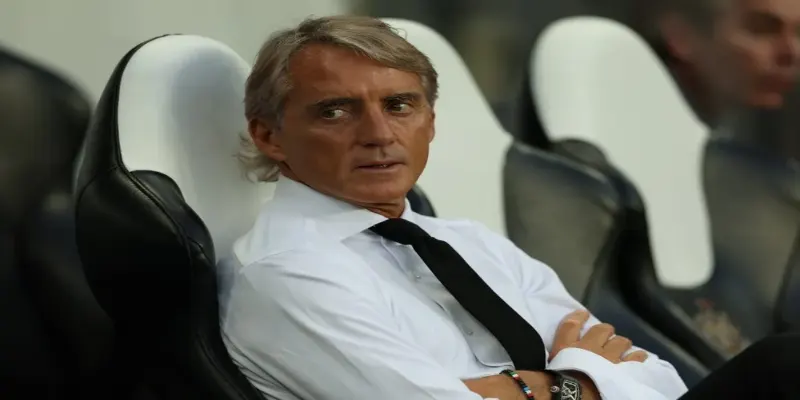
Roberto Mancini: The Tactical Genius Reshaping Italian Football
Roberto Mancini has become more than a football icon in Italy; he embodies tactical brilliance and leadership. Known for his ability to adapt and inspire, Mancini has elevated teams both domestically and internationally. His strategic insights have even been discussed on platforms like luongsontv, highlighting his influence on modern Italian football.
Roberto Mancini: A Tactical Genius
Roberto Mancini is widely regarded as a tactical genius, primarily because of his versatile approaches tailored to suit his team’s strengths and opponent weaknesses. His tactical acumen lies in his capacity to innovate—often blending traditional Italian defensive discipline with progressive attacking principles. Mancini’s teams are renowned for their fluidity, intelligent positional play, and adaptability under pressure. Whether orchestrating possession-based build-ups or launching quick counter-attacks, his strategies consistently challenge conventional norms, showcasing his unique footballing philosophy rooted in flexibility and creativity.
What sets Roberto Mancini apart is his meticulous preparation and ability to read the game dynamically. His tactical adjustments during matches demonstrate his comprehensive understanding of various formations and systems, often surprising opponents with strategic shifts. This versatility not only highlights his genius but also reflects his deep respect for the art of coaching—viewing it as an ever-evolving puzzle. As a result, Mancini has influenced many upcoming coaches, inspiring a new wave of tactical thinking in Italian football.
The Rise of Roberto Mancini in Italian Football
From humble beginnings, Mancini evolved from a gifted midfielder to a coaching mastermind. Success with clubs such as Fiorentina, Lazio, and Inter Milan earned him a reputation for building competitive teams with flair and discipline, often dominating the tin tức bóng đá hôm nay with his innovative tactics.
His journey was also marked by resilience in facing challenges. Mancini’s ability to rebuild teams, foster young talent, and adapt to the evolving landscape of Italian football helped elevate his status. The Italian football community gradually saw him as a strategic thinker capable of revitalizing teams and infusing them with renewed confidence. This rising trajectory culminated with his appointment as the head coach of the Italy national team, a role in which he could fully showcase his tactical prowess on the international stage.
Roberto Mancini’s Coaching Career: Key Milestones
Roberto Mancini’s coaching career is punctuated by landmark achievements that showcase his evolution as a tactician and leader. His tenure at Lazio marked his first major success, where he implemented a disciplined yet attacking style that received widespread acclaim. Moving on to Inter Milan, Mancini’s tenure was characterized by winning multiple Serie A titles and the UEFA Champions League, demonstrating his capacity to manage top-tier European clubs. These milestones not only cemented his reputation domestically but also showcased his ability to compete on the continental stage.
In recent years, one of the defining moments in the Roberto Mancini coaching career was his appointment as Italy’s head coach. Facing the challenge of reinvigorating a national team that had struggled in major tournaments, Mancini introduced new tactics and fostered a sense of unity. His leadership culminated in Italy’s successful UEFA Euro 2020 campaign, a testament to his strategic vision and resilience. These career milestones reflect his growth from a tactical innovator to a seasoned leader capable of inspiring a nation’s footballing revival.
Roberto Mancini and the Italian National Team: A Revival Story
Taking charge of the Italian national team was a defining chapter in Roberto Mancini’s career—a true revival story rooted in strategic ingenuity and emotional leadership. When he assumed the role, Italy was experiencing a period of stagnation, with critics questioning its tactical approach and competitive edge. Mancini immediately set a clear vision: to modernize Italian football, emphasizing possession, attacking intent, and versatile formations. His emphasis on playing a cohesive style injected new life into the squad, blending discipline with flair.
Under his guidance, Italy experienced a renaissance, culminating in their triumph at UEFA Euro 2020. This victory was not merely about winning a tournament; it was a testament to Mancini’s ability to rebuild confidence across the national side. His approach to integrating young players alongside seasoned veterans fostered team cohesion and tactical flexibility, enabling Italy to adapt dynamically to different opponents. This revival story exemplifies how Roberto Mancini has reshaped Italian football by combining tactical discipline with innovative attack strategies, inspiring a new generation of Italian players and fans.
About the Author