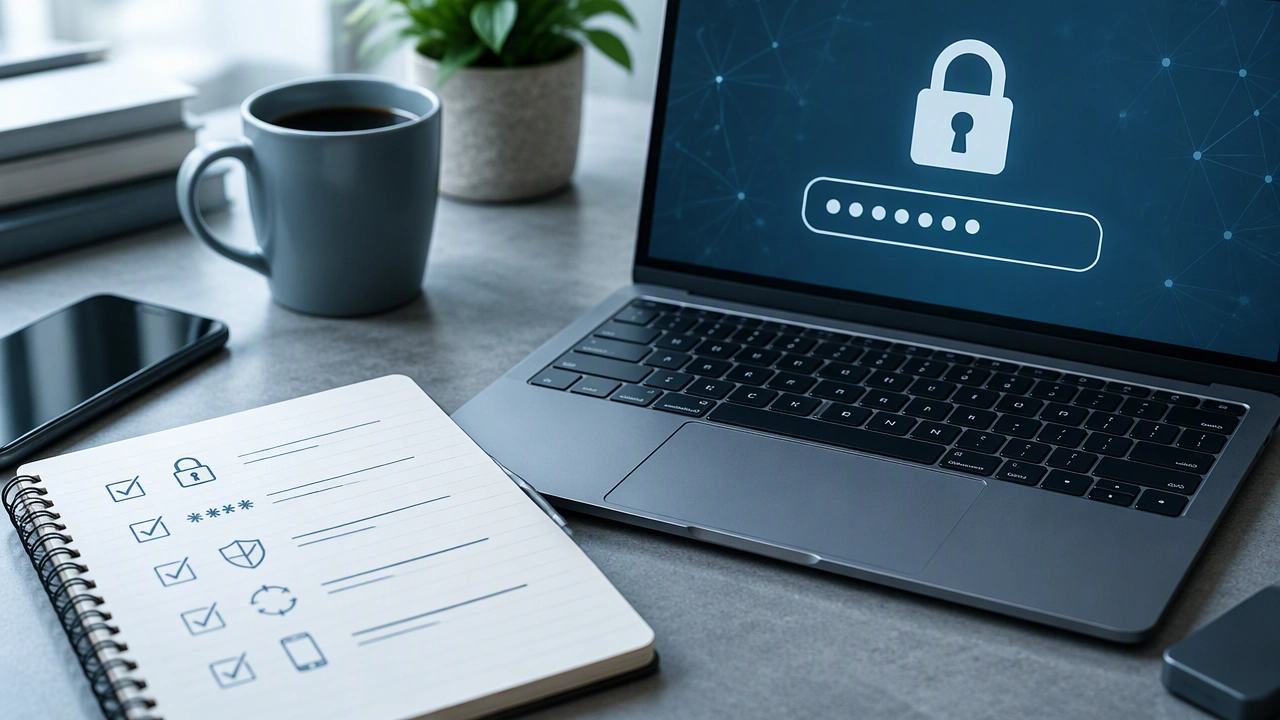
How to Keep Your Passwords Safe: A Practical Guide to Strong Passwords and Everyday Security
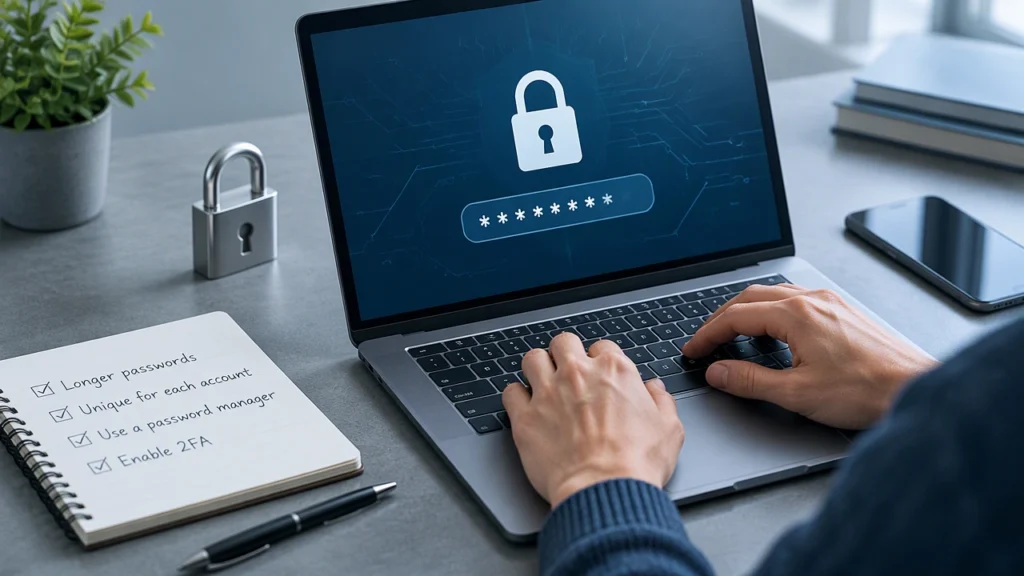
Your passwords are the keys to your digital life. From email and online banking to social media and work tools, a single weak or reused password can give attackers access to much more than one account. Learning how to keep your passwords safe from hackers is not about memorizing dozens of complex codes, but about building a simple, reliable system you can use every day. This guide explains what makes a password strong, how password managers make security easier, and which everyday habits actually protect you online.
Why Passwords Are Still Your First Line of Defense
Despite new technologies like fingerprint scans and face recognition, passwords remain the most common way to prove your identity online. Most services still use them as the primary lock, and even when you use biometrics, there is usually a password as a backup. Attackers know this. Instead of trying to break into a system directly, they often try to steal or guess passwords because it is easier and cheaper.
Common methods include phishing emails that trick you into typing your password on a fake site, credential stuffing where stolen passwords from one breach are tried on other sites, and brute-force attacks that automatically guess common passwords. If you reuse the same password in multiple places, one breach can compromise all of your accounts. Data breaches happen regularly, even at large companies, and lists of exposed emails and passwords circulate online for years. Understanding this risk is the first step toward better habits and helps you see why uniqueness matters as much as complexity.
What Makes a Password Strong
A strong password is long, unpredictable, and unique to each account. Length matters more than clever substitutions like replacing a with @. A password that is 14 to 16 characters long is far harder to crack than an 8-character one, even if the shorter one looks complex. Unpredictability means avoiding obvious information such as your name, birthdate, pet’s name, or common words and patterns like qwerty, password, or 123456. Uniqueness means never reusing the same password for two different services, especially for important accounts like email, banking, and cloud storage.
One practical way to create strong passwords you can remember when you need to is to use a passphrase. Pick three or four random words that have no logical connection and link them together, then add a number or symbol if required by the site. For example, a phrase built from unrelated words like correct horse battery staple is stronger than a short complex password like Tr0ub4dor&3 because it is longer and more random, yet easier to picture in your mind. You do not need to create these manually for every account, which is where a password manager helps, but knowing how a good password is built helps you judge the suggestions a manager makes.
Common Password Mistakes to Avoid
- Reusing passwords across sites: If one site is breached, attackers will try the same combination on email, shopping, and banking sites.
- Using short passwords: Anything under 12 characters can be guessed much faster with automated tools.
- Relying on personal information: Names, dates, addresses, and favorite teams are easy to find on social media and easy to guess.
- Storing passwords in plain text: Notes apps, spreadsheets, emails to yourself, or sticky notes offer no protection if your device is lost or infected.
- Changing passwords without reason: Forced frequent changes often lead to weaker, predictable variations. Change them when there is a breach or suspicion of exposure.
How Password Managers Solve the Memory Problem
The biggest challenge with strong passwords is remembering them. Most people have between 80 and 100 online accounts, and it is impossible to memorize a unique, long password for each one. A password manager is a dedicated application that creates, stores, and fills in your passwords for you. You only need to remember one strong master password to unlock the vault. The rest are encrypted and synced securely across your devices.
A good password manager does more than store passwords. It can generate truly random passwords of 16 to 20 characters when you create a new account, warn you if you are reusing a password, alert you if one of your saved sites has been involved in a known data breach, and auto-fill login forms so you do not have to type passwords where keyloggers could capture them. Reputable options store your vault with zero-knowledge encryption, which means even the company that makes the manager cannot see your passwords. Your data is protected by your master password and, ideally, a second factor.
To get started, choose a well-known manager with a strong security track record and independent audits, install it on your computer and phone, and set a long, unique master passphrase you have not used anywhere else. Enable biometric unlock for convenience, but keep the master passphrase written down and stored in a safe place at home in case you need to recover access. Then, over a few weeks, gradually update your most important accounts first, such as email, banking, and primary social media, replacing weak or reused passwords with generated ones. There is no need to change everything in one day. Focus on the accounts that would cause the most harm if compromised.
Safe Everyday Habits That Keep Passwords Protected
Strong, unique passwords are essential, but they work best when combined with simple daily habits that reduce your exposure to theft. These habits take little time and protect you even when a service you use is breached.
1. Turn On Two-Factor Authentication
Two-factor authentication adds a second check beyond your password, such as a code from an authenticator app or a prompt on your phone. Even if someone steals your password, they cannot log in without that second factor. Prefer authenticator apps or hardware keys over SMS codes when possible, since SMS can be intercepted through SIM swapping. Start with your email account, because access to your email often allows an attacker to reset other passwords. Then enable it for banking, cloud storage, and social media.
2. Learn to Spot Phishing
Most password theft does not involve technical hacking. It involves tricking you into handing the password over. Be cautious with emails or messages that create urgency, claim your account will be closed, or ask you to click a link to verify your identity. Before entering your password, check the website address carefully, and never enter credentials after clicking a link in an unsolicited email. Instead, go directly to the site by typing its address or using a bookmark. A password manager also helps here, because it will not auto-fill your password on a fake domain that looks similar but is not exact. If a message feels off, open a new browser tab and log in directly.
3. Keep Devices and Browsers Updated
Updates often include fixes for security flaws that could allow malware to steal saved passwords. Enable automatic updates for your operating system, browser, and password manager. Use device lock screens with a PIN or biometrics, and make sure your computer requires a password after sleep. If you use your browser to save passwords, ensure that storage is protected by your device password and consider using your dedicated manager instead for stronger encryption and better breach alerts.
4. Think Before Sharing or Saving
Avoid sharing passwords through email, chat, or screenshots. If you must share access to an account with family or a colleague, use the secure sharing feature inside your password manager, which shares access without revealing the actual password in plain text. Be careful on shared or public computers and never choose to save passwords there. When you log in on someone else’s device, use a private browsing window and log out completely when done. Also review your saved accounts every few months and remove old accounts you no longer use to reduce your attack surface.
Building a System You Can Stick With
Security works best when it is consistent. You do not need to be perfect, you need a system you will actually follow. Start with three steps this week: install a password manager and create a strong master passphrase, turn on two-factor authentication for your email, and replace reused passwords on your five most important accounts. Once those are protected, continue updating other accounts over time.
- Make it easy: Let the manager generate and fill passwords so you do not have to type them.
- Make it layered: Combine unique passwords with two-factor authentication for critical accounts.
- Make it routine: Check breach alerts, update devices, and be skeptical of urgent links asking for login details.
By focusing on length, uniqueness, and secure storage, and by supporting those passwords with careful everyday habits, you greatly reduce the chance that a single mistake or breach will turn into a major problem. Good password hygiene is not a one-time task, but a calm, ongoing practice that keeps your digital life under your control.